Room by room
A nursery that outlasts the crib
A cot is in use for about eighteen months of a room that will be lived in for ten years. The most common nursery mistake is designing the whole room around it, then redoing the room the moment it goes.

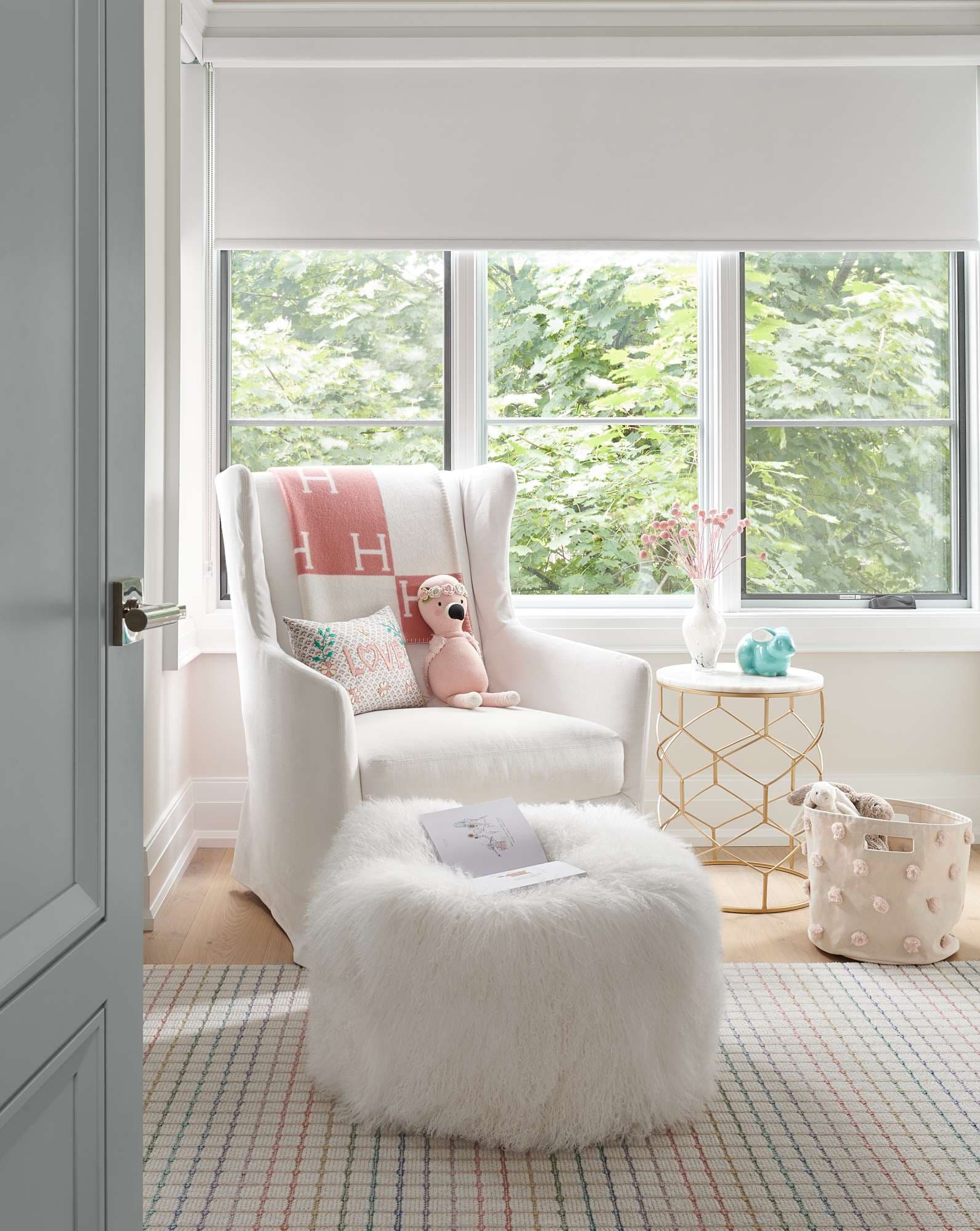
How we plan a nursery
Every nursery starts with the room, not the furniture
We plan the room the cot sits in rather than the cot. The storage, the chair, the light and the floor are chosen to still make sense when the cot becomes a bed and the changing table becomes a dresser. The soft parts, the ones tied to a particular age, stay easy and cheap to change.
Our design experts have finished and photographed 6 nurseries, mostly traditional and transitional.
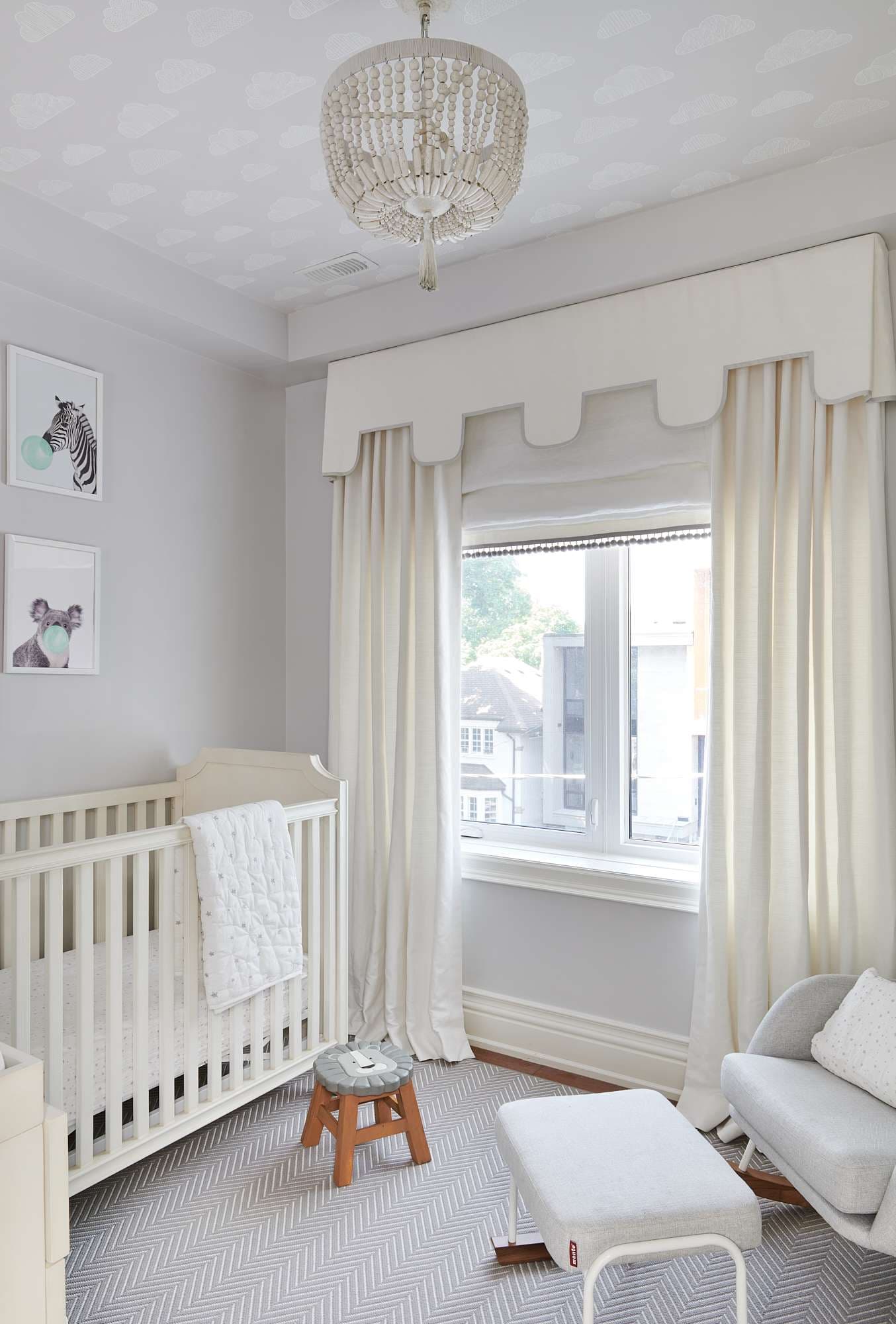
Pieces that outlast the cot
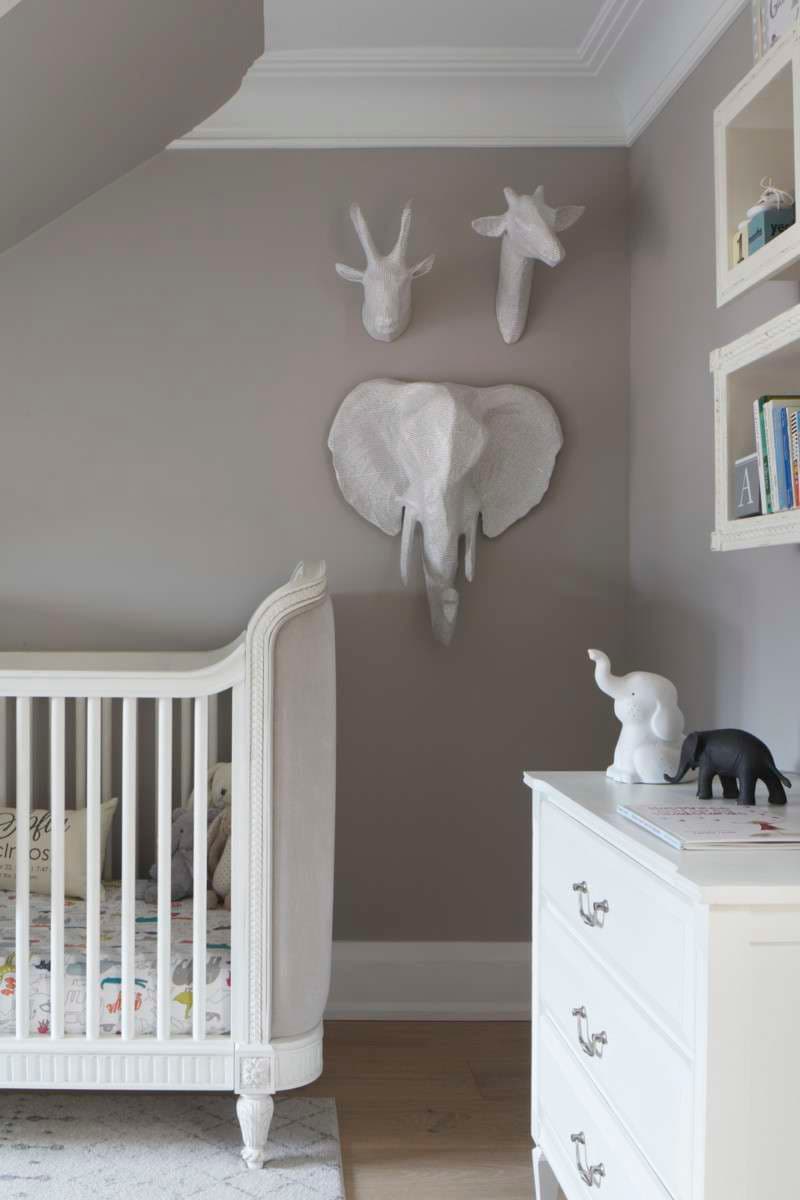
A changing table is a dresser with a topper, and buying it that way is the single best decision in the room. The topper comes off, the dresser stays for a decade.
The chair is the other piece worth spending on. You will sit in it more than any other seat in the house for the first year, often at three in the morning, so it needs to be genuinely comfortable and to be something you would still put in a bedroom afterwards.
Storage should be low and open where a toddler will need to reach it, and closed higher up for the things that are yours. That split means the room grows into itself rather than needing to be rethought.
Safety and sizing
Anything tall gets anchored to the wall, without exception, and that includes the dresser you are confident is heavy enough. Blind cords are kept short or cordless. Nothing hangs over the cot.
The cot wants to be away from the window, both for draughts and for the cords and sills within reach. Leave room to stand on both sides of the changing surface, and leave a clear path from the door to the cot that you can walk in the dark, because you will.
“Real rooms, photographed on completion. No renders, no stock photography, no AI-generated interiors.”
Every photograph on this page
6 finished, photographed on completion