Calm, functional, quietly warm.
Scandinavian, done properly
Scandinavian design is a response to not having much light, which is why it translates so well to a Canadian winter and so badly to a photograph taken in June. The pale woods and white walls are not a look, they are a strategy for a room that spends four months in the dark.
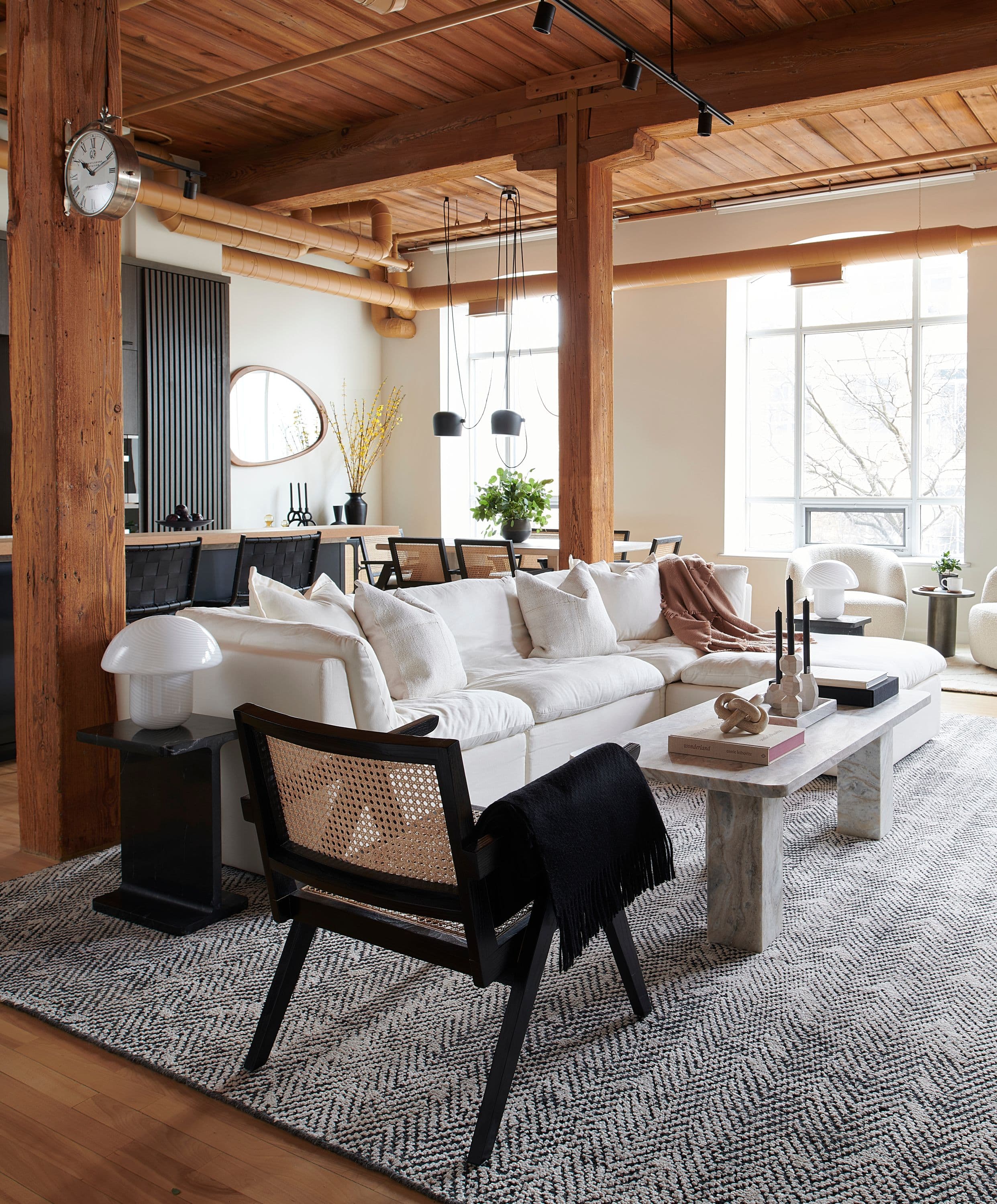
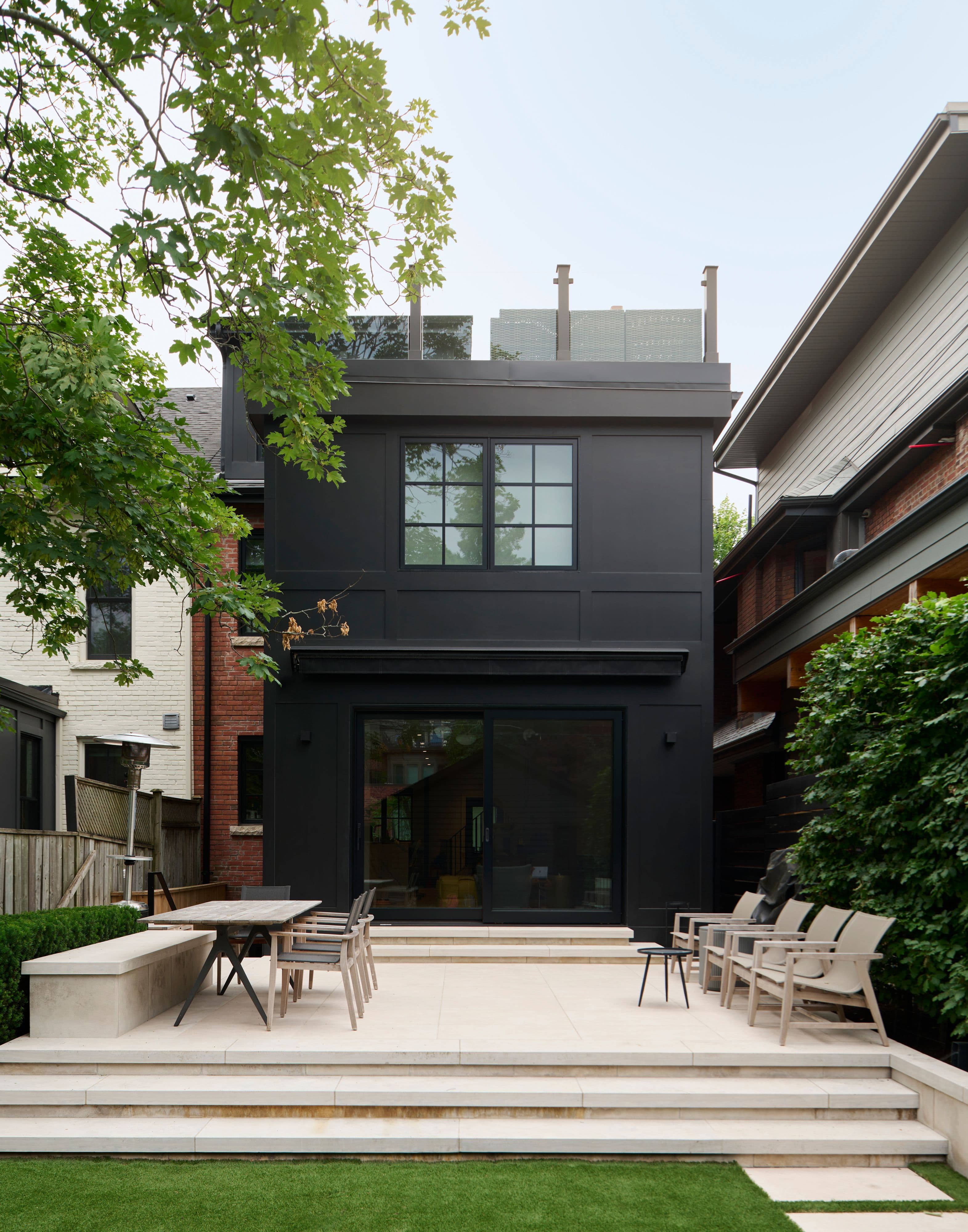
Scandinavian
Is Scandinavian your style?
We have finished 21 rooms in it, and the question that decides whether it works here is always warmth.
Pale woods, cozy minimalism, and soft, natural light. Your ideal home is uncluttered and serene, but always feels warm and human.
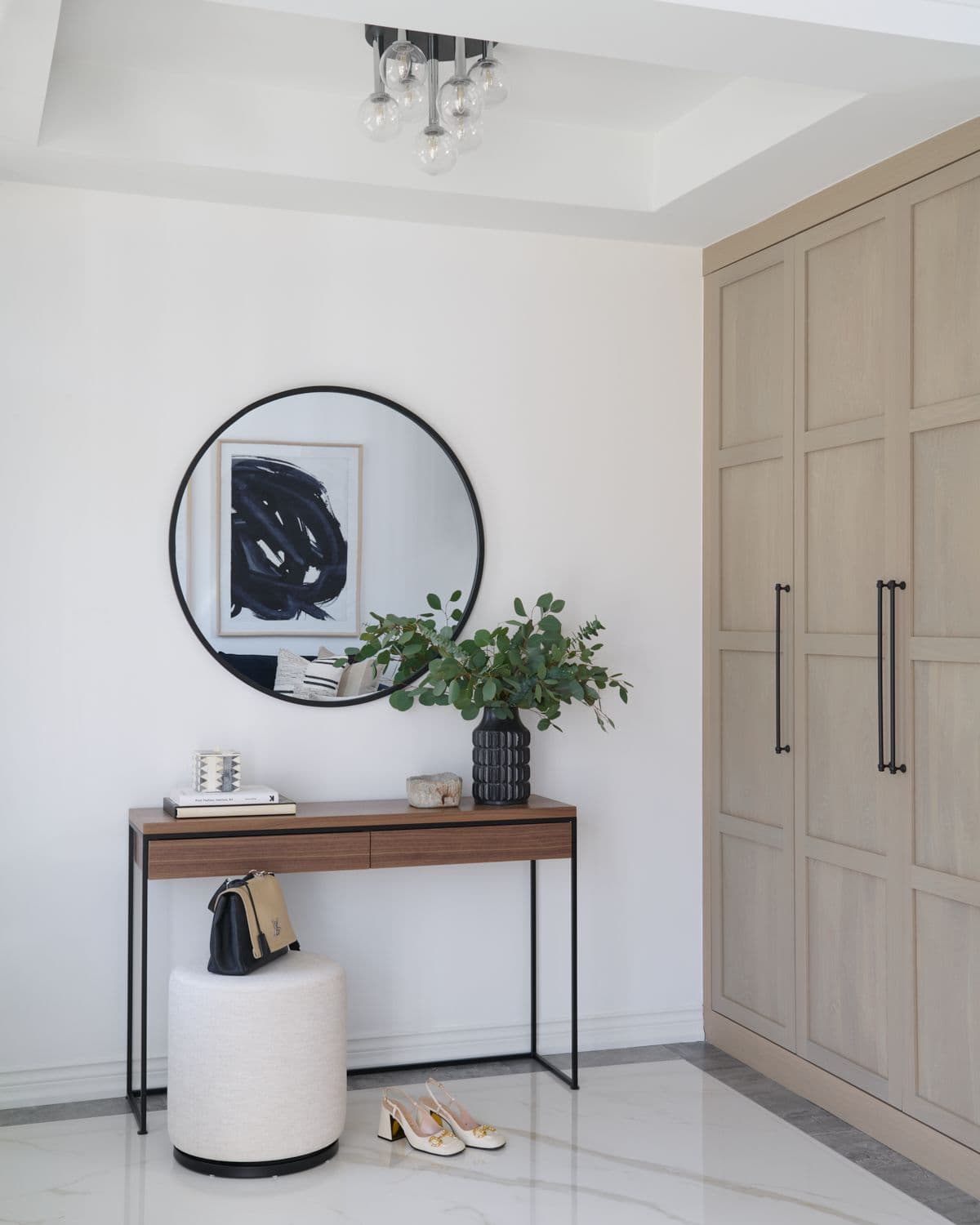
What defines Scandinavian design
Pale timber, usually oak or ash, against white or near-white walls. Light bounces rather than being absorbed, which is the entire point.
Simple shapes and very little ornament, so the room reads as calm rather than sparse.
Natural materials carrying the texture: wool, sheepskin, linen, clay. In a palette this restrained, texture is the only thing keeping a room from feeling like a clinic.
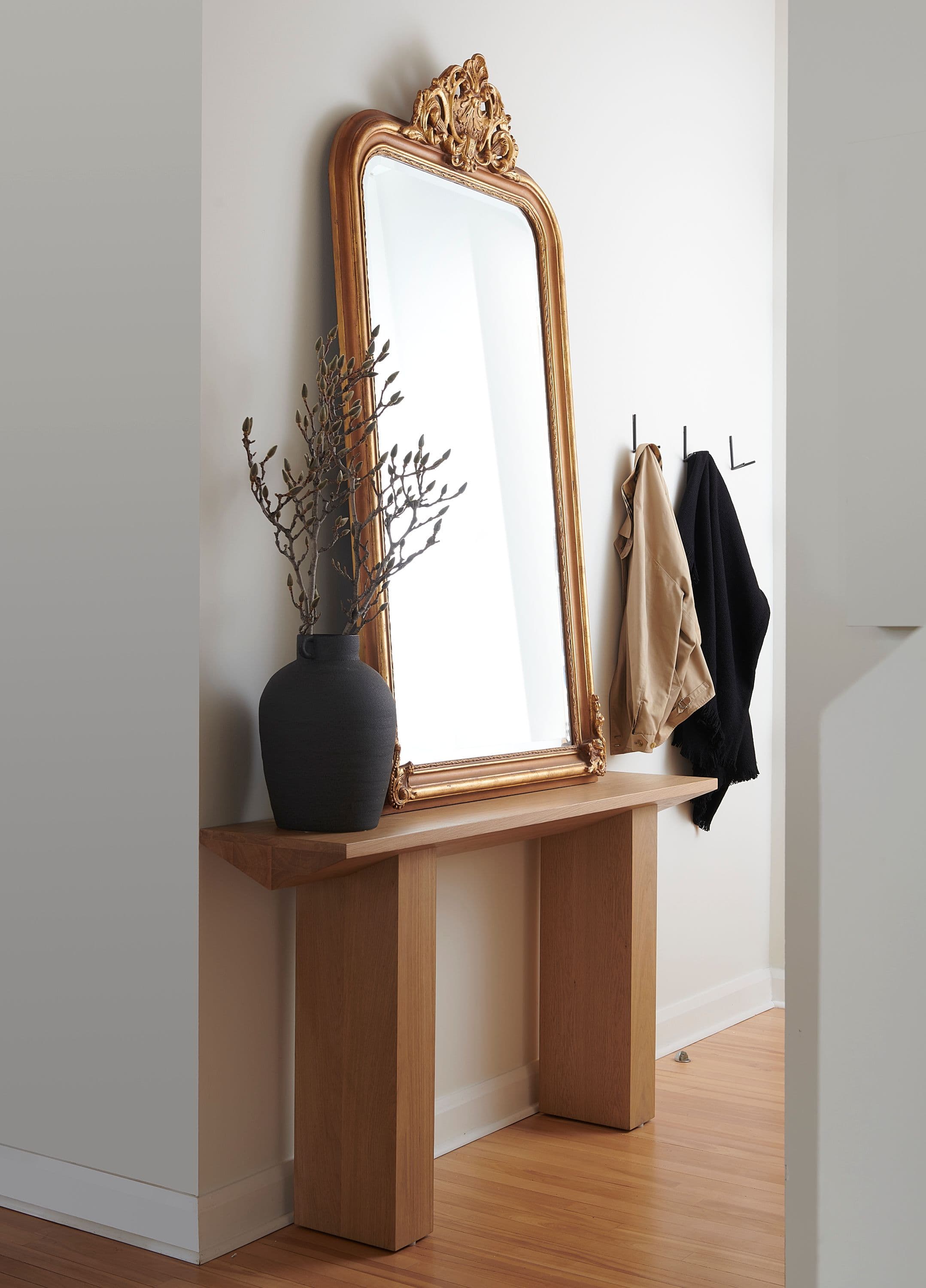
How it works in a Canadian home
The mistake is stopping at white. A white room with pale floors in February is cold in a way no amount of styling fixes, and this is where most attempts fail.
What corrects it is layering warmth deliberately: wool and sheepskin rather than cotton, lamps at low level rather than one ceiling light, warm bulbs throughout, and timber used generously rather than as an accent.
The second thing is a colour you would not expect. One deep, muted tone somewhere in the room, an olive, a clay, a slate, gives the eye somewhere to land and stops the whole thing reading as a blank.
“Real rooms, photographed on completion. No renders, no stock photography, no AI-generated interiors.”
Every photograph on this page
21 finished, photographed on completion