The best of classic and modern.
Transitional, and why most people land here
Transitional is where most people actually land, and it is usually the honest answer rather than a compromise. It means you want the comfort and proportion of a traditional room without the formality, and the clean lines of a modern one without the hardness.
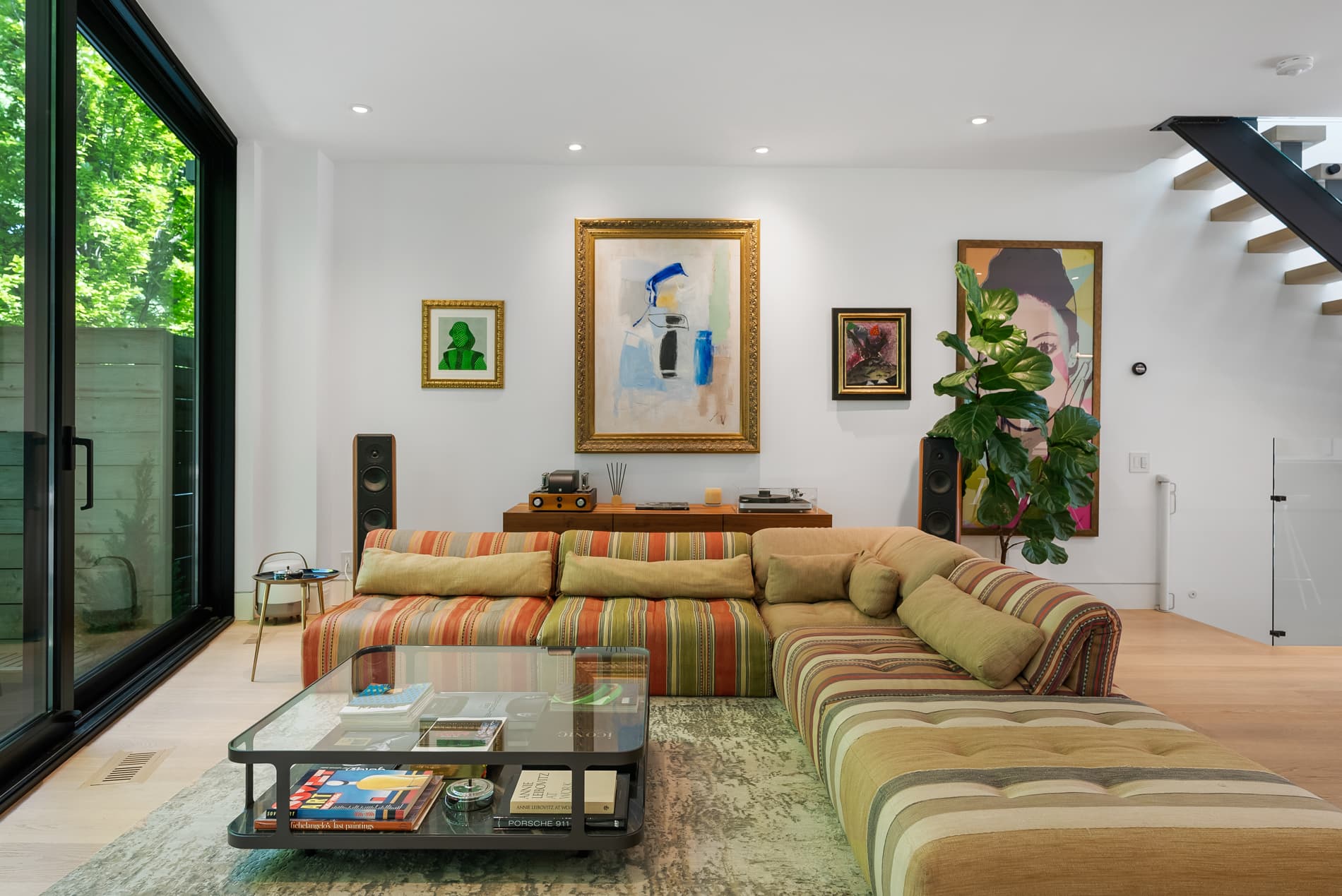
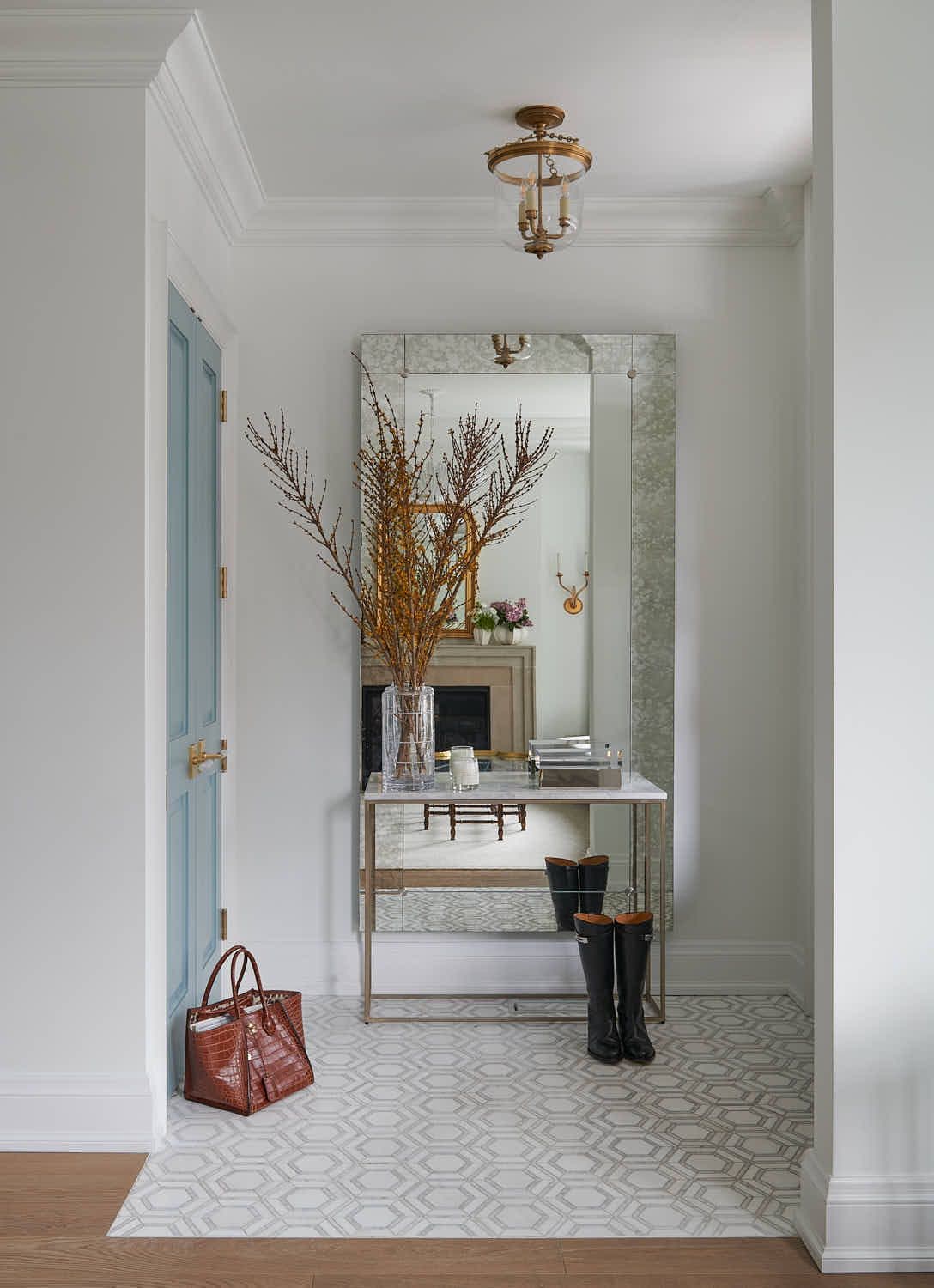
Transitional
Is Transitional your style?
We have finished 27 rooms in it. Almost all of them began with a client saying they liked two things that sounded contradictory.
You want comfort without clutter — classic shapes softened by modern simplicity, in a calm, cohesive palette that feels timeless.
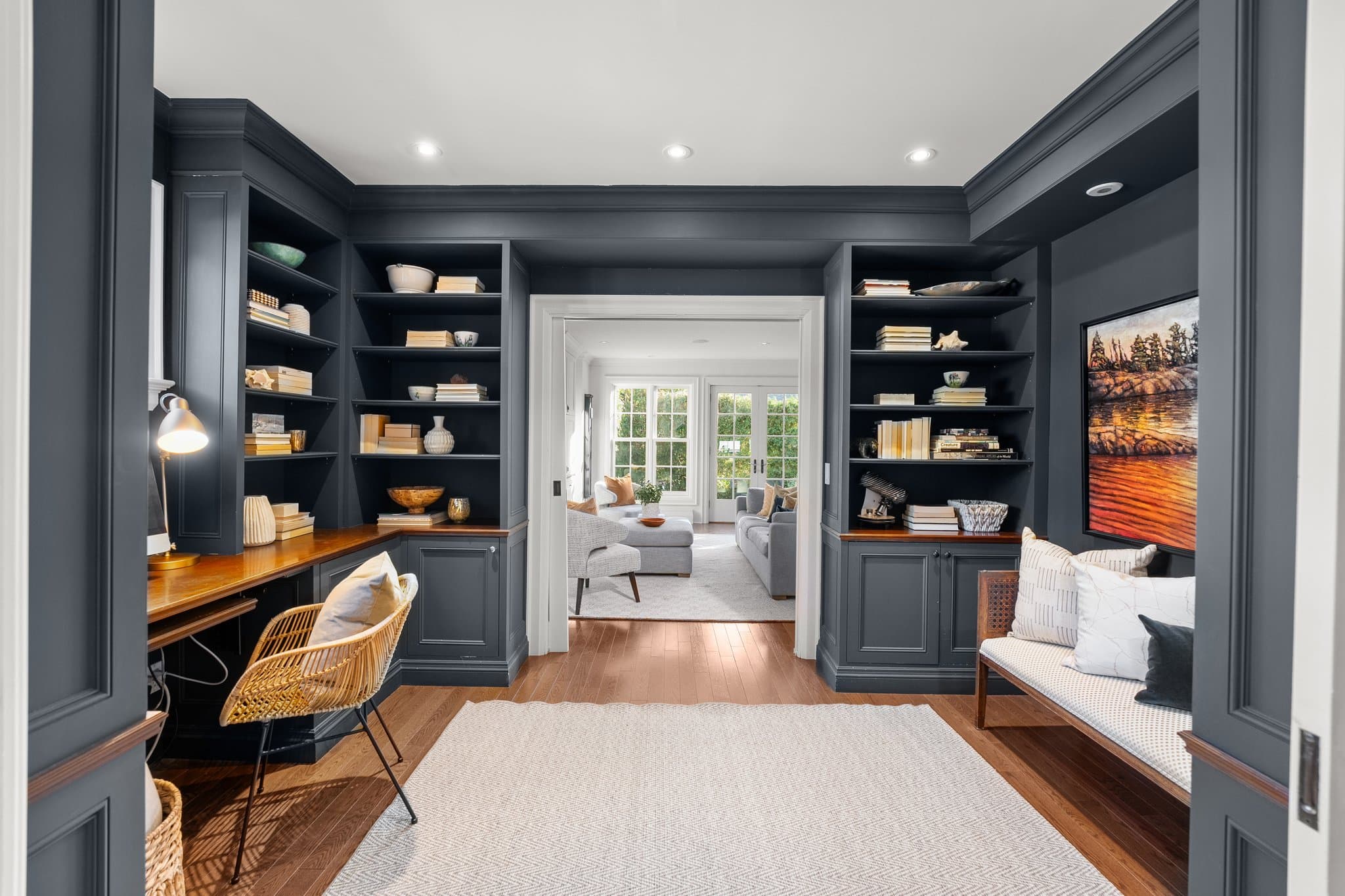
What transitional means
Classic shapes in plain materials. A rolled arm in flat linen, a turned leg in a matte finish, a traditional silhouette with no carving on it.
A palette with almost no colour in it, so the shapes do the talking. Warm whites, greige, a soft black for contrast, and one accent if any.
Pattern used sparingly and in texture more often than print. A ribbed fabric, a woven rug, a stone with movement in it.
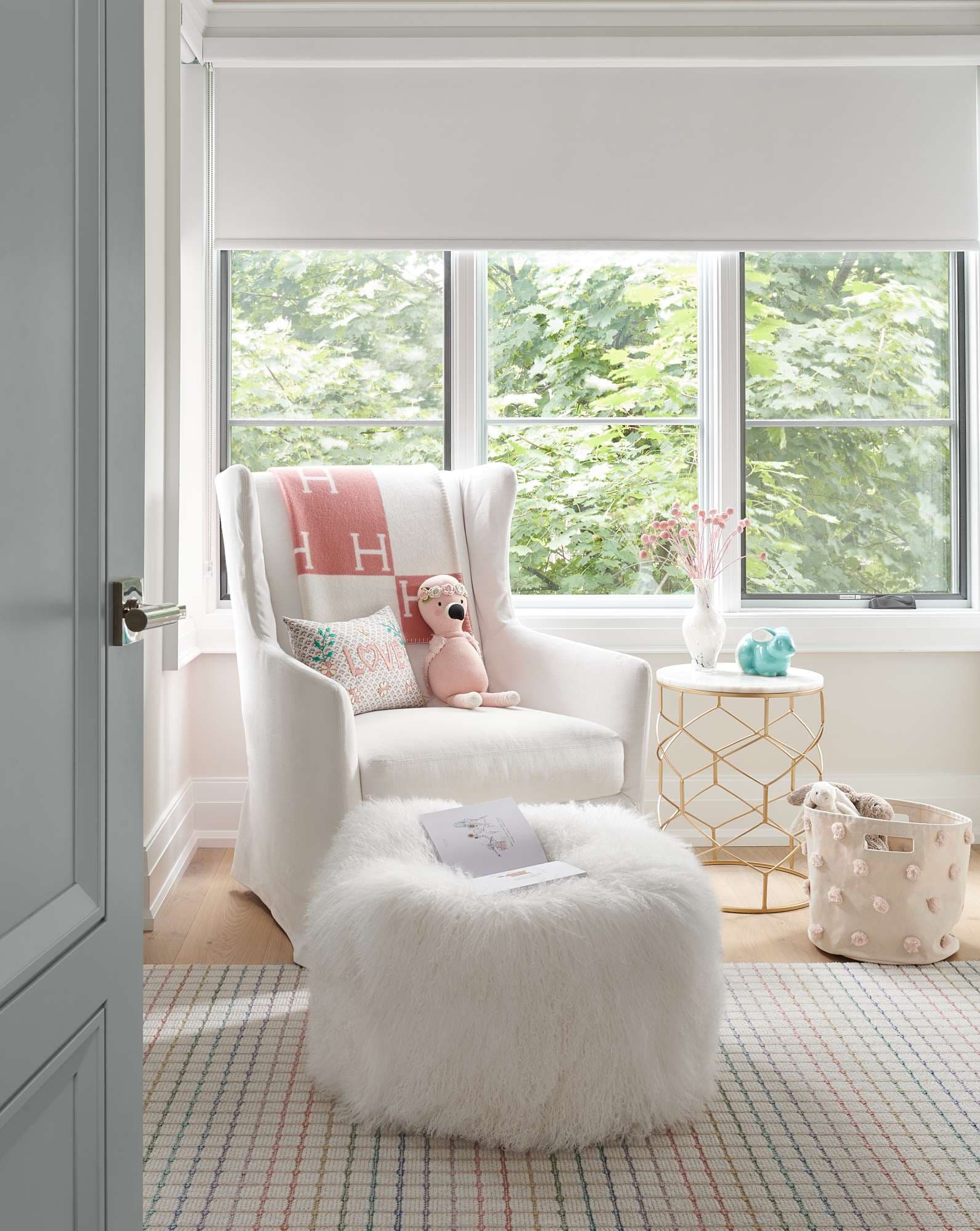
Traditional, transitional, modern
The quickest way to tell them apart is ornament. A traditional room has it, carved, turned, moulded. A modern room refuses it. A transitional room keeps the shape that ornament used to sit on and leaves the ornament off.
That is why it suits so many houses here: the architecture is often traditional, with mouldings and proportions you cannot change, and a fully modern interior fights it. Transitional lets the room and the furniture agree.
“Real rooms, photographed on completion. No renders, no stock photography, no AI-generated interiors.”
Every photograph on this page
27 finished, photographed on completion